
❊ History
A Brief History of Shasta-Hanchett Park
Early Beginnings – Mission Era & Rancho Lands
The land that now makes up Shasta-Hanchett Park was originally part of Mission Santa Clara de Asís and used by Native American Roberto Balermino. In 1844, Governor Micheltorena granted him Rancho El Potrero de Santa Clara, also known as Rancho Los Coches. Balermino later sold it to Antonio Suñol in 1847.
The Alameda – “The Beautiful Way”
The Alameda, which runs through the neighborhood, was once part of El Camino Real, the historic road connecting California’s missions. In 1799, Father Magin Catalá planted willow trees along the route to guide residents to mass. Over time, it became a vital transportation corridor, evolving from a toll road to a horsecar line, then an electric streetcar route, and finally bus service by the 1930s.
Agricultural Park to Residence Park
In the late 1800s, the area was home to Agricultural Park, San Jose’s fairgrounds, race tracks, and sports venue. After the final fair around 1905, the land was purchased by the Peninsula Land & Development Company, led by Lewis E. Hanchett.
Lewis E. Hanchett’s Vision
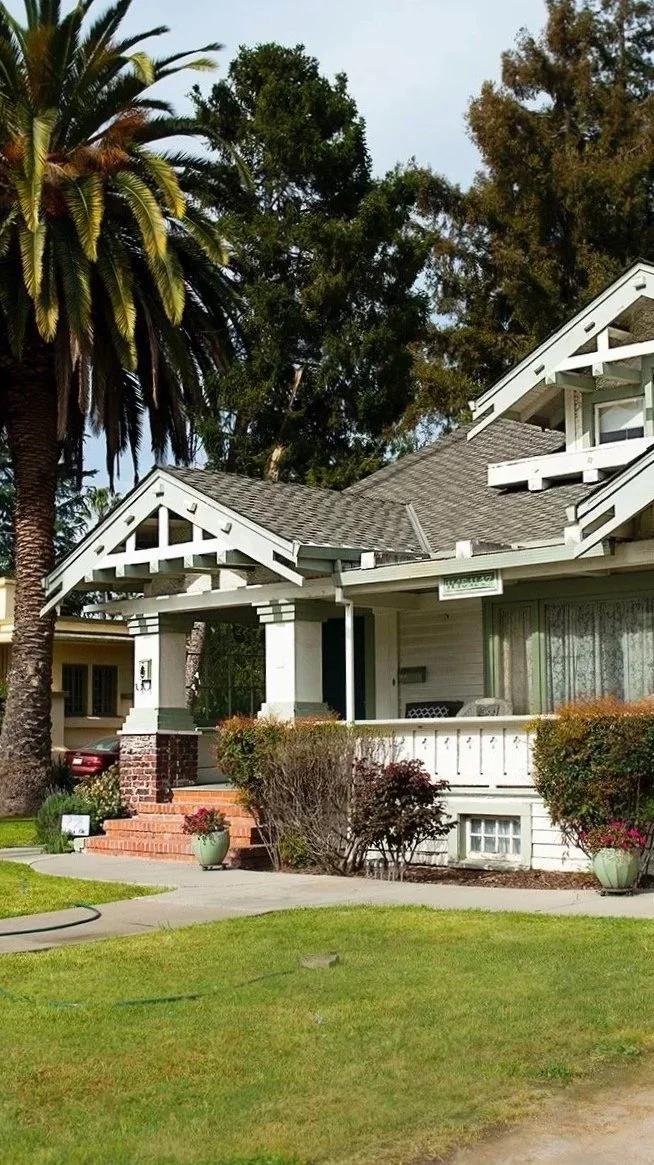
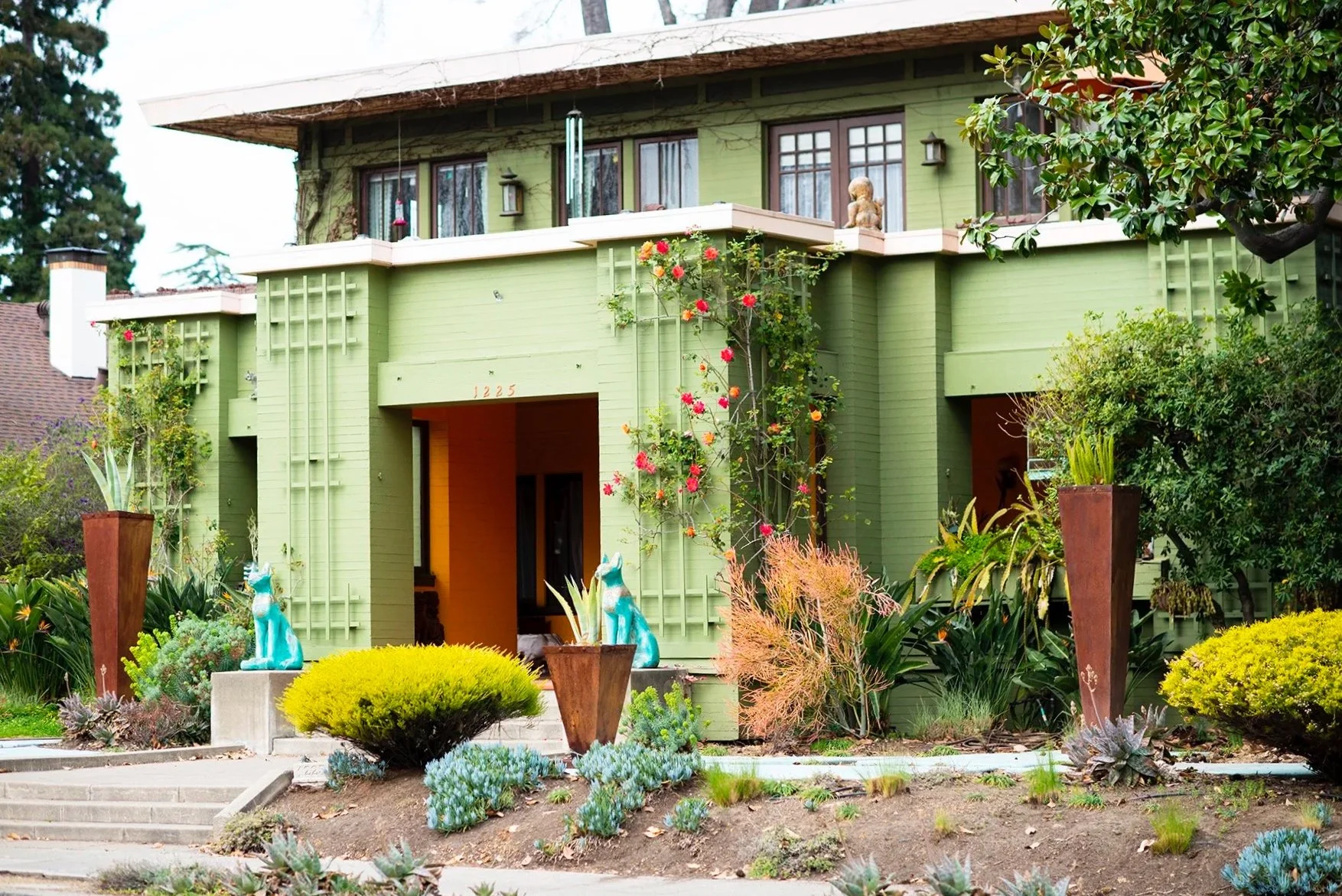
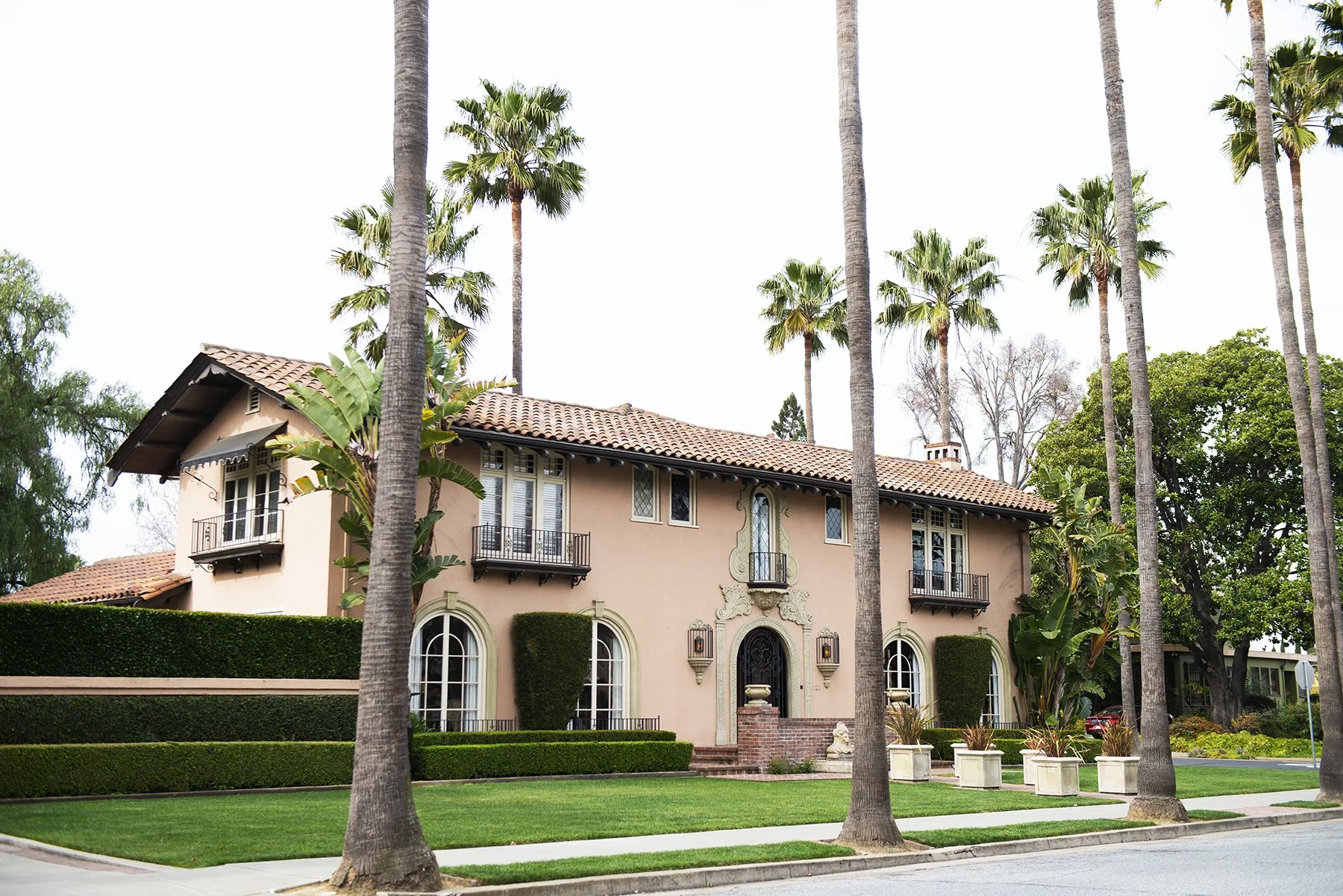
In 1907, Hanchett developed the land into one of San Jose’s first “residence parks,” a planned suburban neighborhood with modern features. He added sewers, streetcar connections, and streetlights, while noted designer John McLaren laid out the streets. Utilities were tucked behind homes to keep sidewalks open. Between 1915 and 1930, the neighborhood filled with Craftsman, Mission Revival, Spanish Eclectic, Prairie, and some Victorian homes.
Adjacent Developments
Nearby areas such as Alameda Gardens and St. Leo’s have their own distinct roots. Alameda Gardens began in the mid-19th century with prefabricated homes brought from the East Coast, while St. Leo’s grew around the church established in 1915 and became its own small neighborhood.
Legacy and Conservation
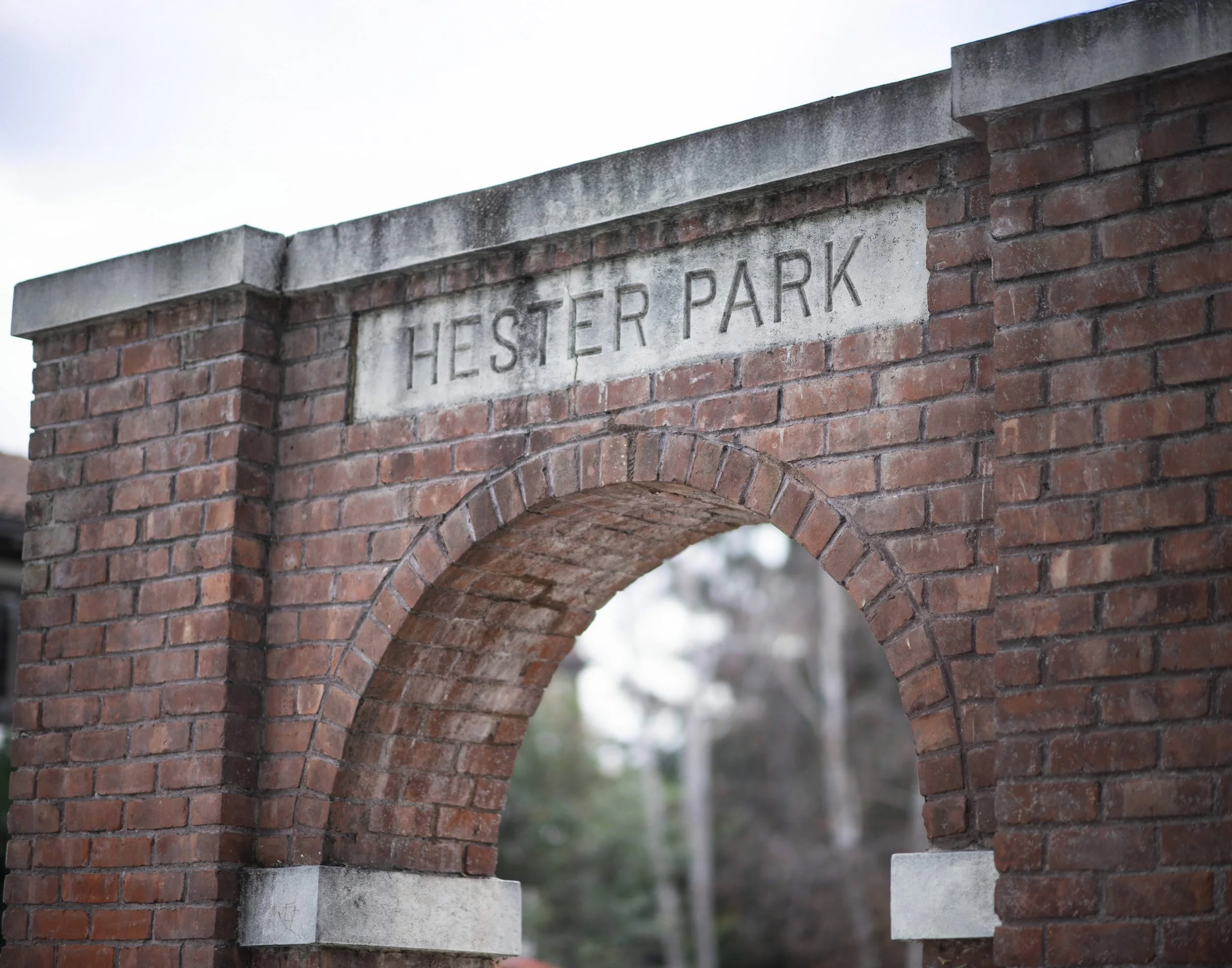
Today, Shasta-Hanchett Park and neighboring Hester Park are recognized as Historic Conservation Areas, preserving the early 20th-century character and architectural heritage that continue to define the neighborhood.